Simulations and interactive activities to teach climate change in school basic sciences
Expert-reviewed, classroom-tested science and ready to use anywhere
About Graasp Climate
Graasp Climate aims at empowering future generations with a systemic scientific understanding of the causes and impacts of climate change, in a spirit of inquiry and interdisciplinarity. Our simulations allow students to investigate and discover the basic concepts behind the causes of global warming in physics and chemistry as well as its impacts on biological systems.
To guide their inquiries, we propose Graasp interactive activities around our simulations. We also offer workshops in schools and institutions.


Simulations
Virtual labs where students can discover basic concepts behind the causes or impacts of global warming.
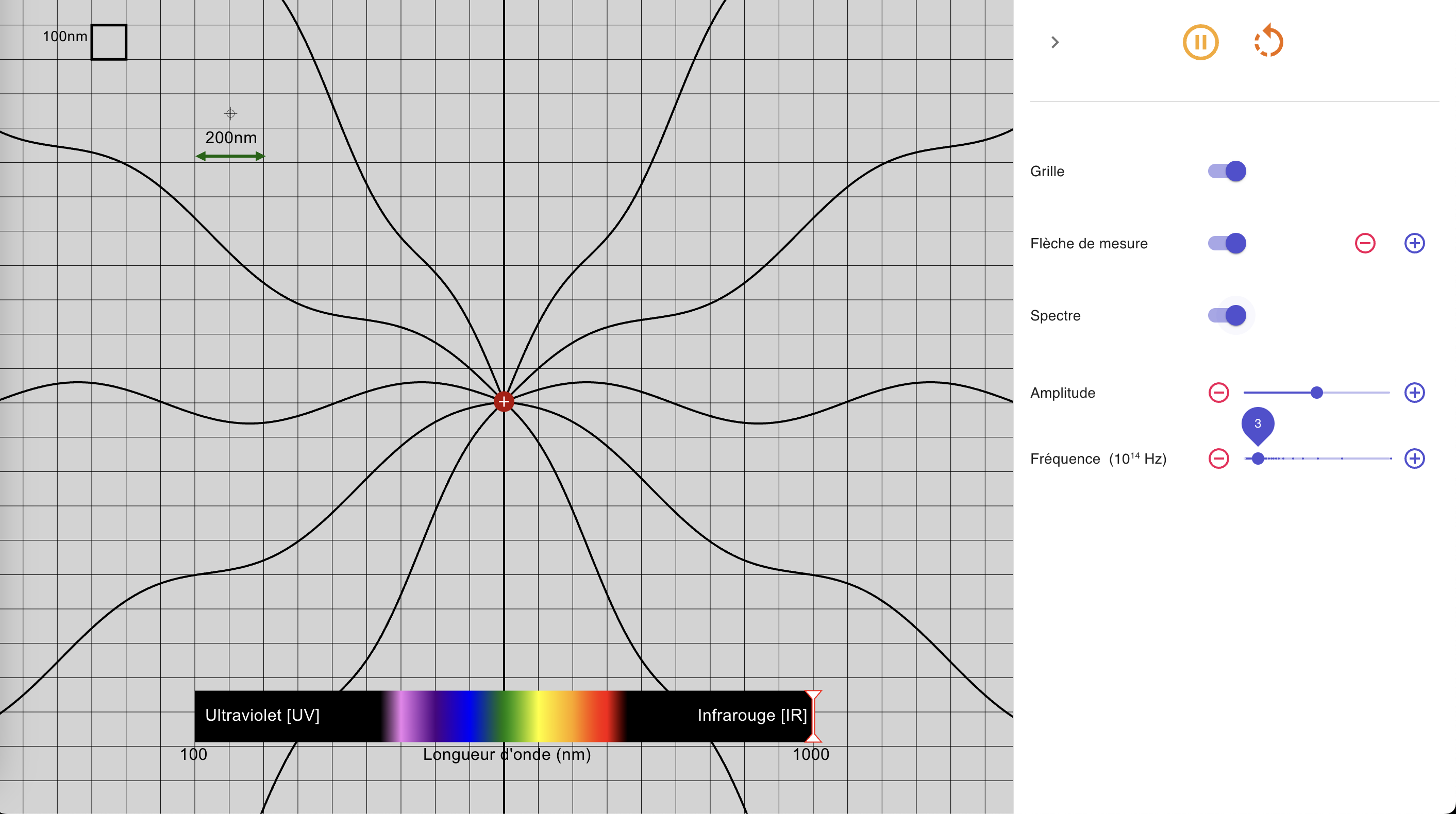


Oscillating Charge
Electromagnetic waves at various wavelengths in UV, VIS, IR
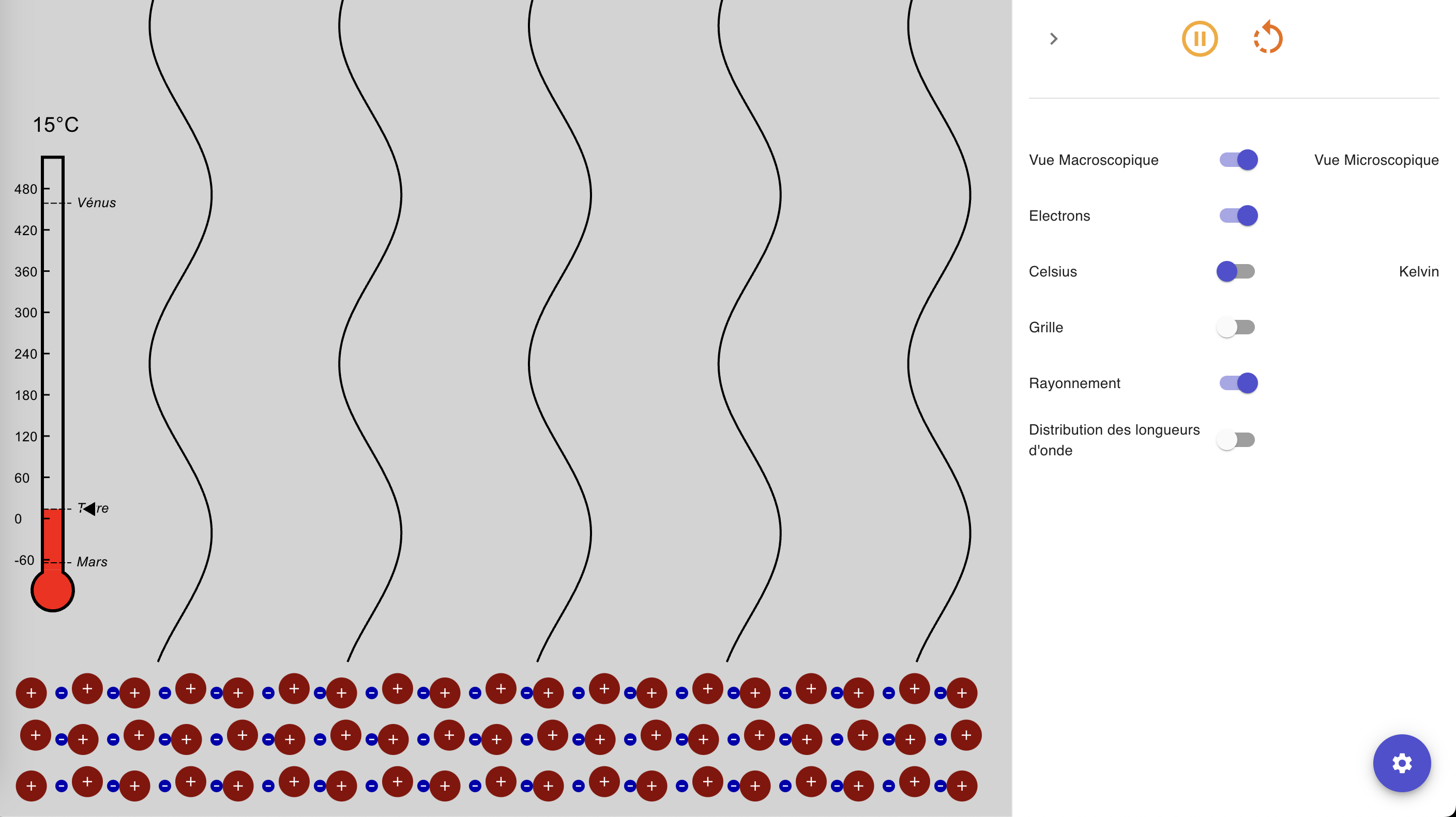
Thermal Radiation
IR waves that are emitted by a planetary surface
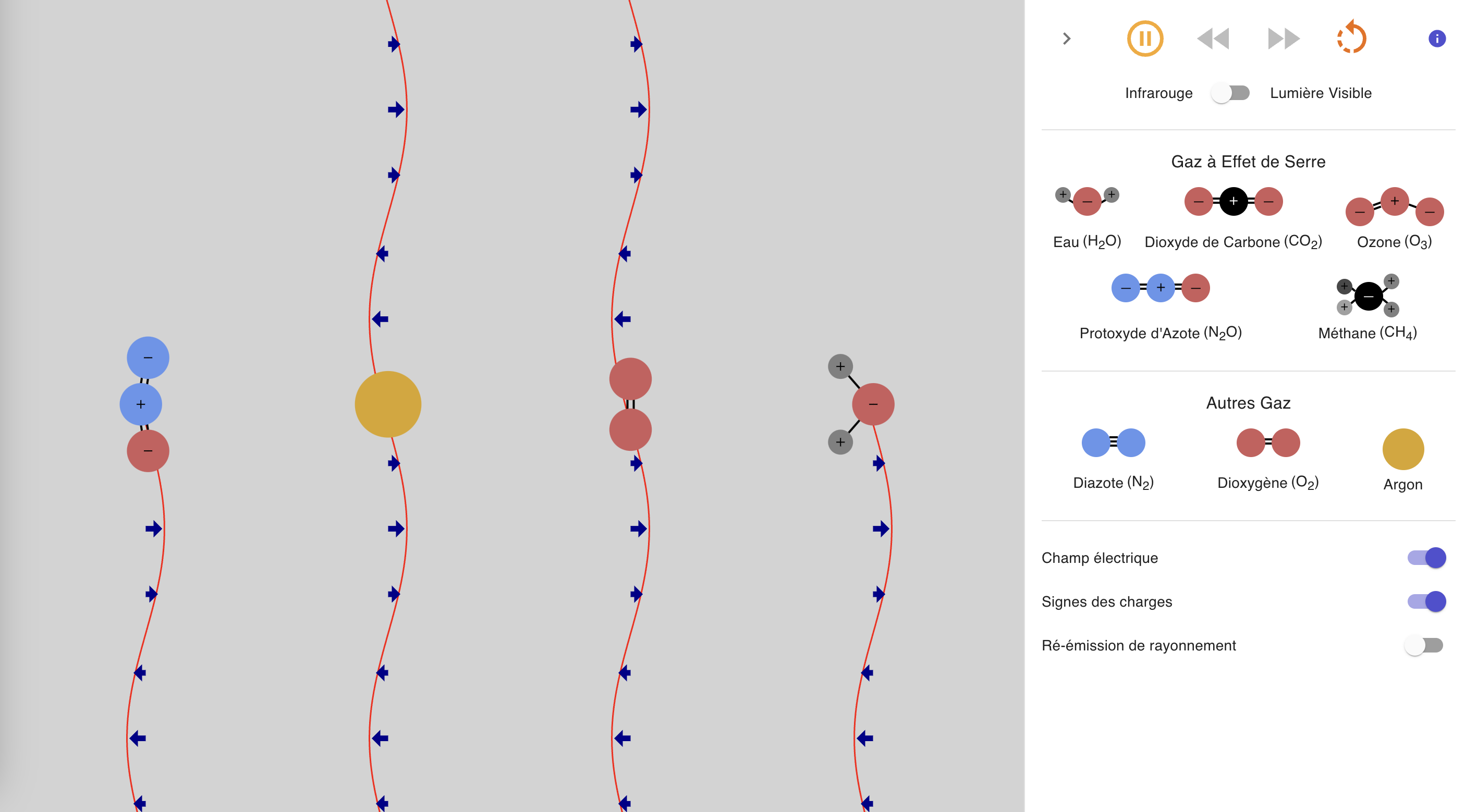
Greenhouse Effect
Interaction between radiation and atmospheric gas molecules
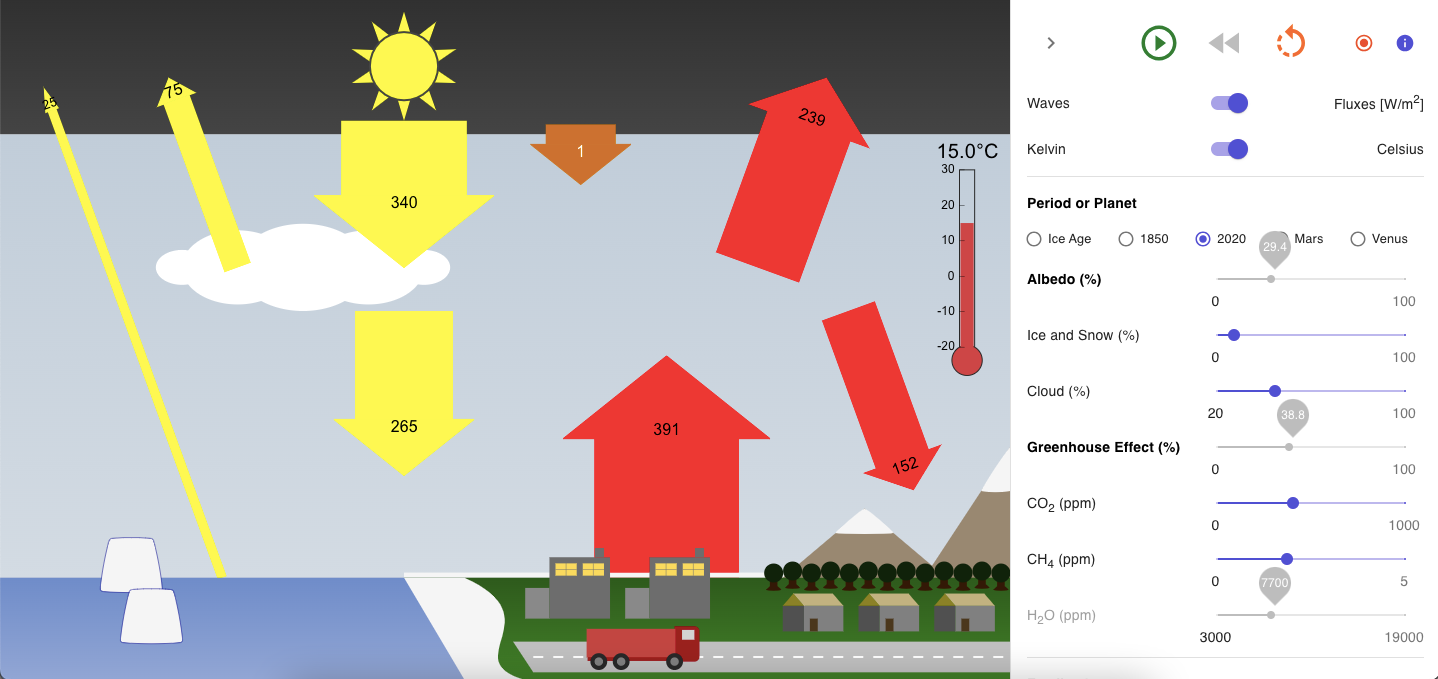
Global Model
Radiative balance with greenhouse gases, clouds and surface
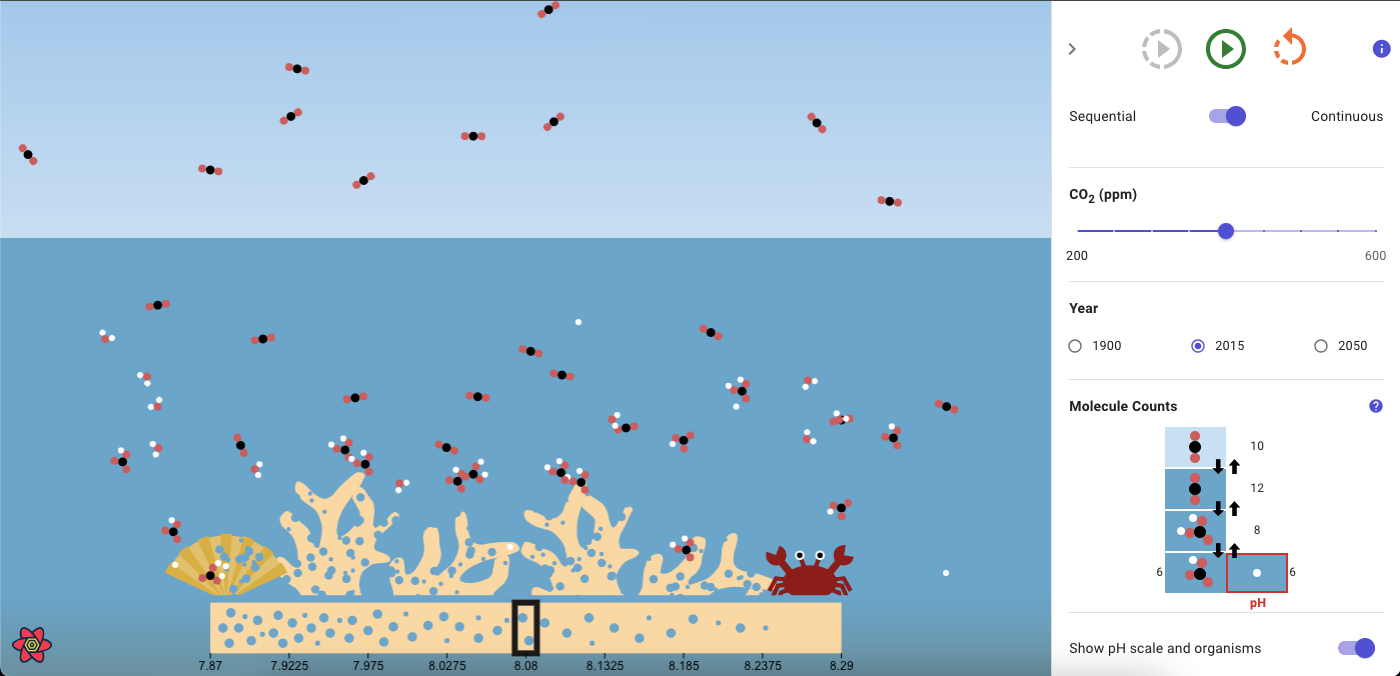
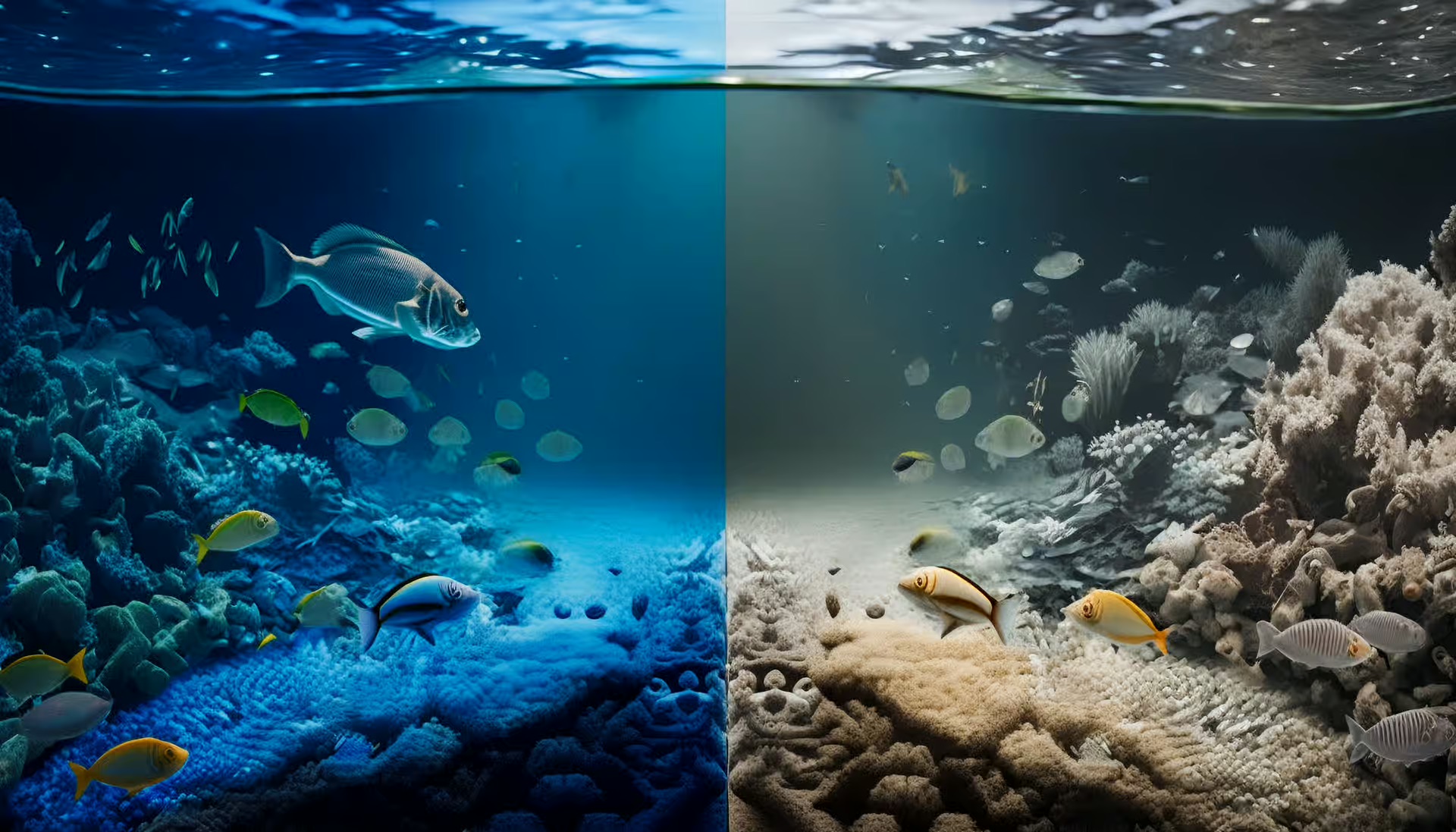
Ocean Acidification
Diffusion of CO2 and chain of reactions
Activities
Ready-to-use interactive activities around our simulations, created with the graasp.org platform.
Team
Graasp Climate is a collaboration between teachers from various Swiss secondary schools (conception of the simulations and creation of the activities), the Graasp association (coding the simulations)and , scientific and educational advisors.
Philippe Kobel
Kim Phan
Hagop Taminian
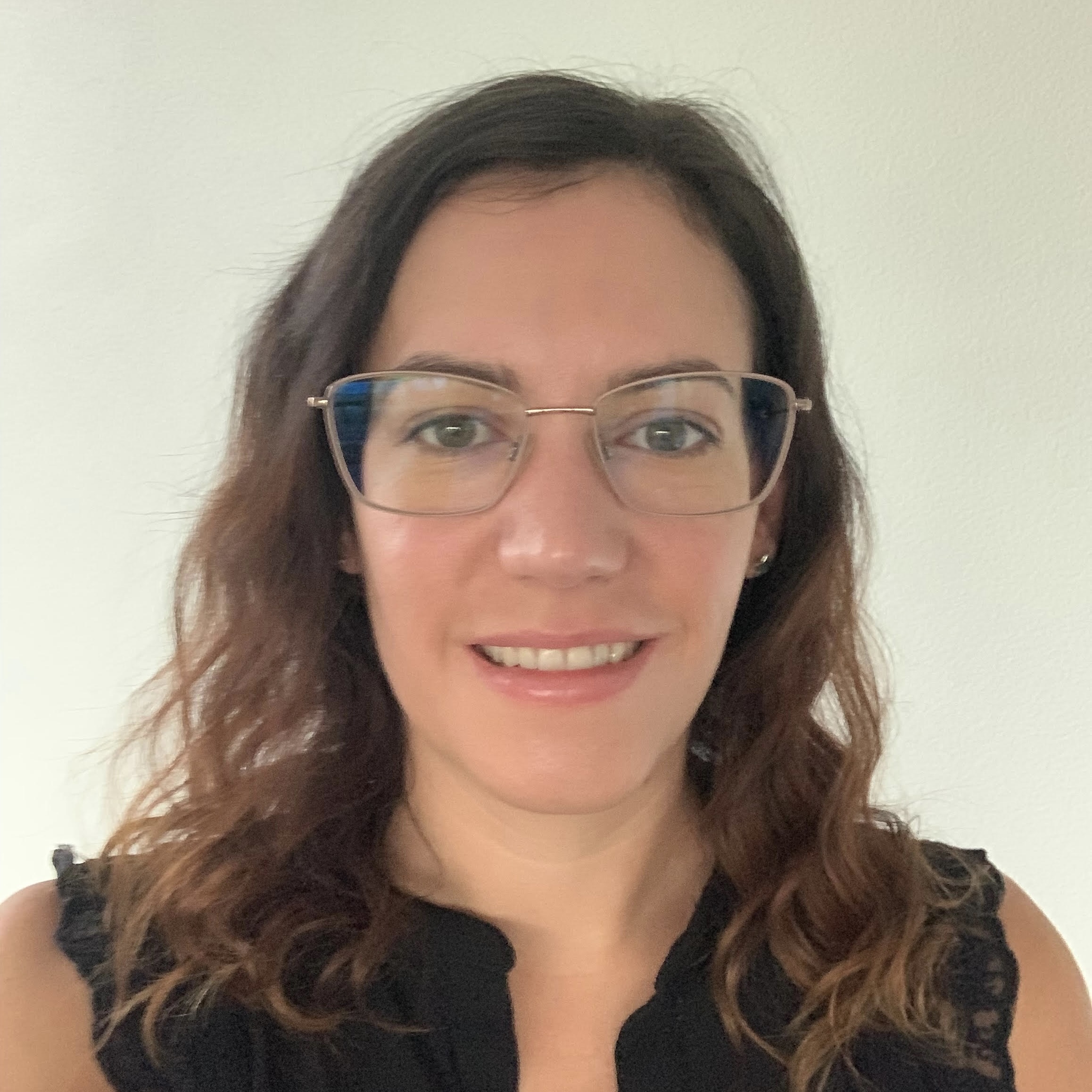
Stéphanie Prior
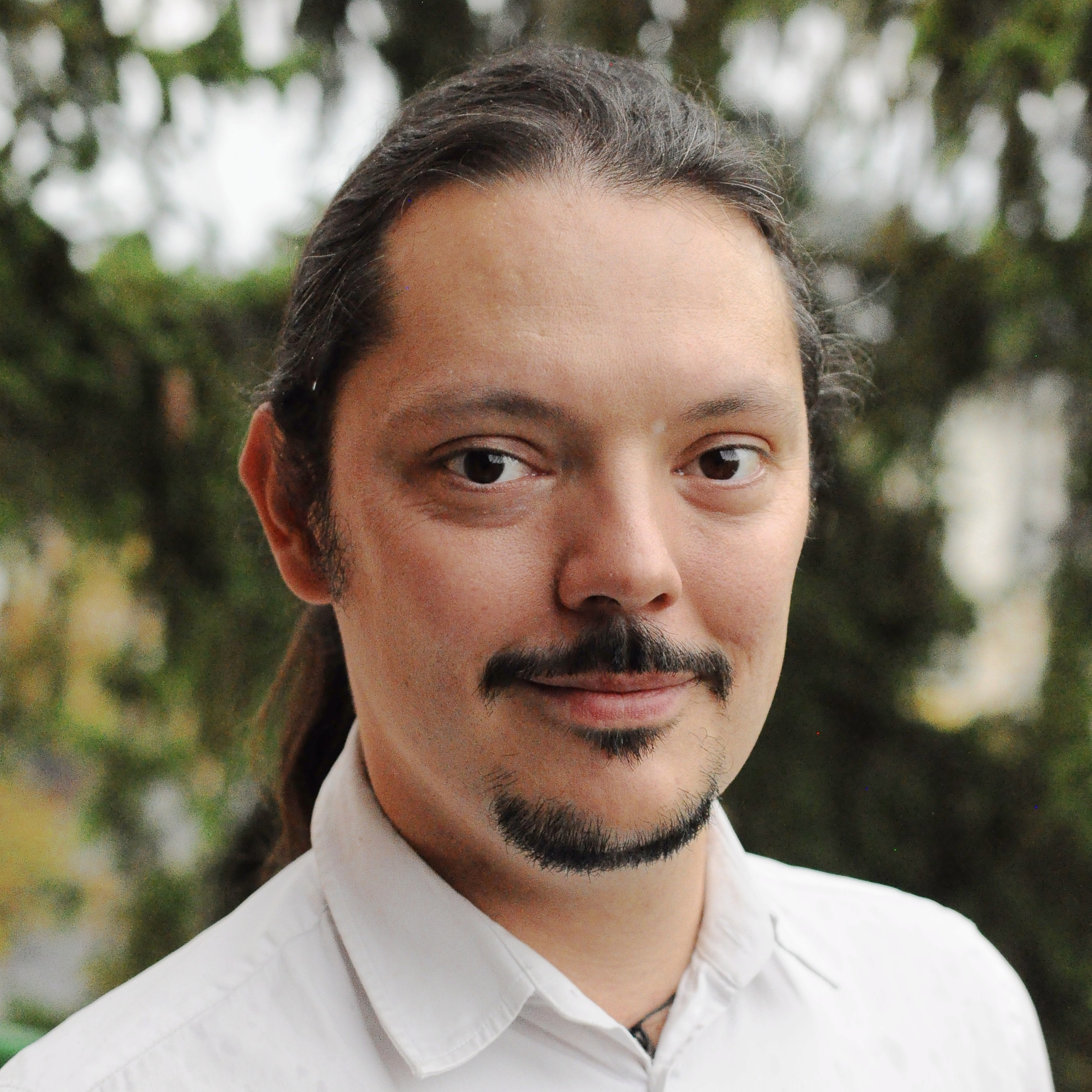
Robert Perez
Thierry Gerez
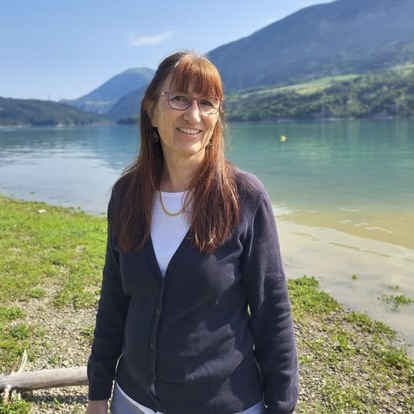
Béatrice Mandanis
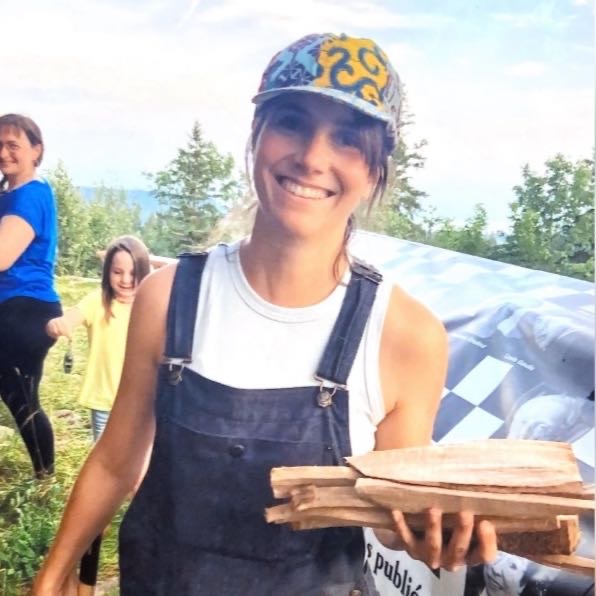
Annabelle Valtat
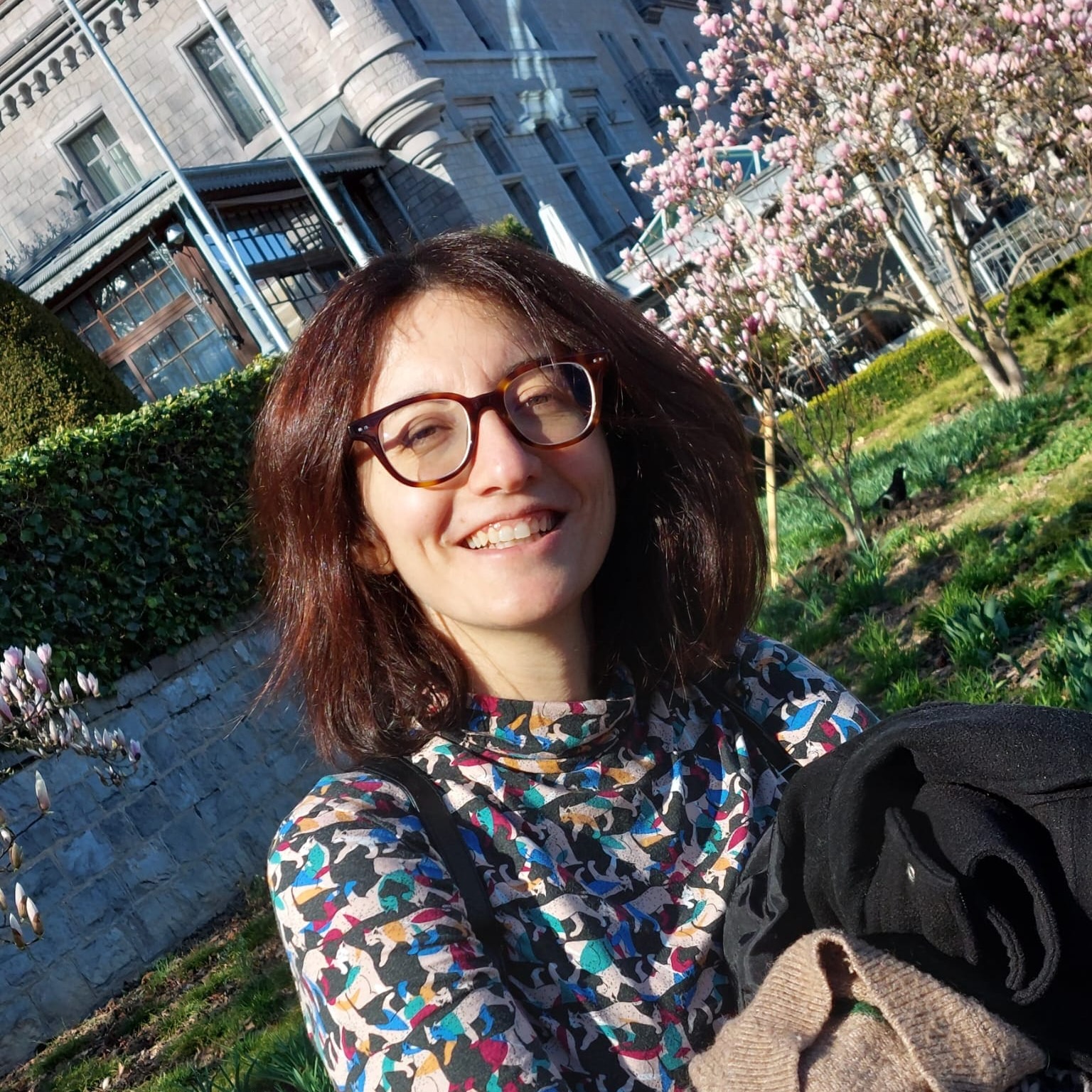
Enrica Cannizzaro
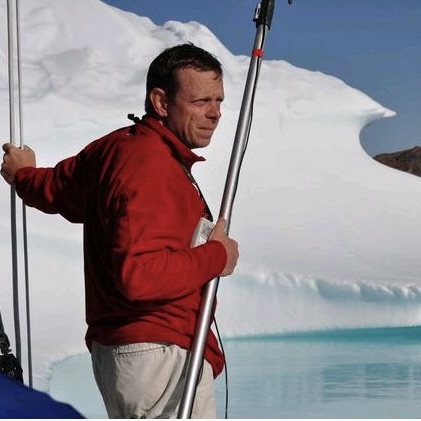
Stéphane Goyette
Yves Debernardi
We would like to thank all the scientists who helped us with their valuable inputs: Prof. David Archer (U Chicago Dpt Geophysical Sciences), Prof. Atsumu Ohmura (ETHZ Dpt of Environmental System Sciences), Prof. Nicolas Perrin (HEPL), Dr. Natalie Krivova (Max-Planck Institute for Solar system), Prof. Michael Petterson (Auckland University of Technology, Health and Env. Sciences), Prof. Samuel Jaccard (UNIL, Fac. Géosciences et environnement), Prof. Peter Baumgartner (UNIL, Fac. Géosciences et environnement), Dr. Emily Hall (MOTE Marine Lab).